
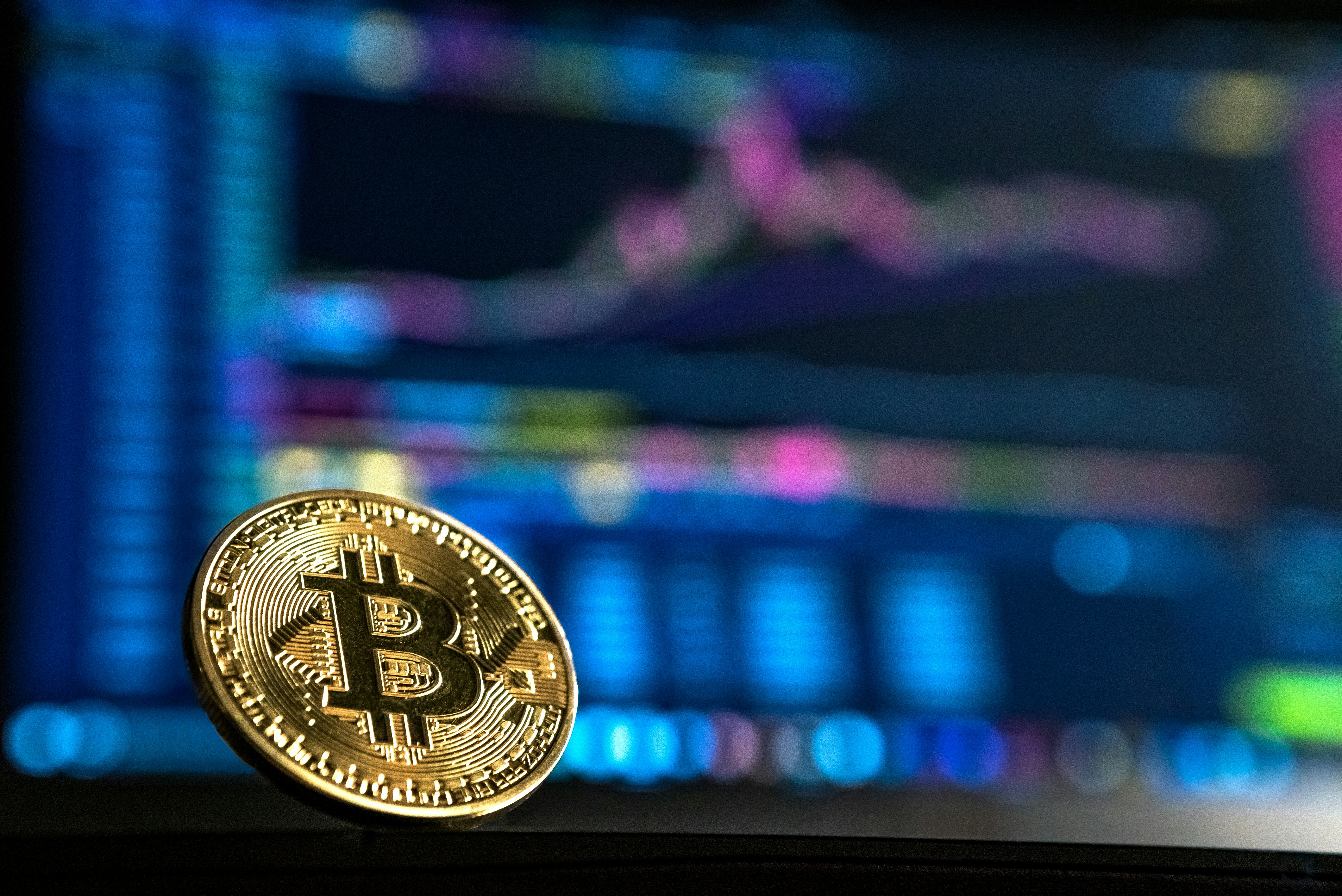
Image(s) are kindly provided by Unsplash
Quick analysis of the situation
Ah, Bitcoin—the wild child of the financial world. For years, it’s been the unpredictable teenager that turned your retirement savings into a roller coaster ride, hurling up and down with dizzying speed. But it seems our favorite cryptocurrency is finally growing up. If the latest market trends are any indication, we might just be saying goodbye to those notorious “God candles”—the dramatic price spikes that left many traders breathless (and often broke).
Let’s start with the exciting news: Bitcoin has skyrocketed 250% since BlackRock’s IBIT launch, showing that the whales of finance are ready to play ball. Yet, according to Bloomberg analyst Eric Balchunas, the days of frantically chasing massive green candles may soon be over. Thanks to the arrival of spot ETFs and the influx of heavy-hitting institutions, the chaos of wild market swings is becoming a relic of the past. And isn’t that a delightful thought for those of us who prefer our investments without heart palpitations?
Now, if you weren’t already impressed, Balchunas points out that IBIT has breezed past the $100 billion milestone in assets under management. Imagine that! This hefty figure tells us a story of growing stability, as big investors aren’t just dipping their toes in the Bitcoin pool—they’re cannonballing in and transforming the waters into a smoother swim.
Gone are the days when a mere sale of 80,000 coins by Galaxy Digital would send us into a tailspin, resulting in double-digit tumbles. Now, that kind of sell-off barely raises an eyebrow. Instead, we might be witnessing the dawn of steady inflows from regulated products that lure in large investors intent on playing the long game. Balchunas suggests that with reduced volatility, Bitcoin could soon start acting like an actual currency, making it much easier to pay for that artisanal coffee or, heaven forbid, your utility bills without the fear of going broke overnight.
And here’s where the magic of mathematics kicks in: Citigroup reports that for every $1 billion of ETF inflows, Bitcoin could rise by approximately 3.6%. With that in mind, they’re predicting a Bitcoin price of around $199,000 by the end of the year. Mind you, this forecast hinges on the promise of steady investments pouring in, and big funds are known for making colossal bets and sticking around longer than your average day trader hoping for a quick thrill.
Now, let’s talk about the old school—the crypto “whales” who have been around since Bitcoin was just a twinkle in Satoshi Nakamoto's eye. As institutions wade into the waters, these veterans might start taking profits and shuffling away, potentially leading to a redistribution of market volume that could shift to less regulated trails or exotic derivatives. In the calmer financial seas, risks might start lurking in the shadows, making room for some fresh and funky market dynamics.
But let’s be real: while fewer heart-stopping moments might mean more relaxed investors, it also signals a potential loss in the adrenaline rush that gets traders buzzing. For some, the emotional highs and lows are part of the grueling charm of trading; for others, a steadier ship is certainly a welcome change.
So, what does all of this mean for Bitcoin? If Balchunas’s insights are any indication, the crypto community may need to get used to a new phase of calmer currents where “God candles” still exist but are rarer than unicorns. With the backing of spot ETFs and corporate cash reserves, the days of unpredictable price swings could be behind us, leading Bitcoin into a more stable—and frankly, more mature—era.
As we wave goodbye to the frenzied roller coaster of volatility, let’s brace ourselves for a smoother ride. It seems Bitcoin is finally stepping into adulthood, ready to take its place not just as a speculative asset, but as a viable currency that we might one day use to buy, well, actual things. Now that’s a future worth toasting with a responsibly-sourced cup of coffee!
Disclaimer: Our articles are NOT financial advice, and we are not financial advisors. Your investments are your own responsibility. Please do your own research and seek advice from a licensed financial advisor beforehand if needed.
Image(s) are provided by Unsplash and/or other free sources. They are illustrative and may not represent the content truly.


0 Comments
Please, behave!